

Blog
Traditional and Modern Embroidery Techniques
Mar
Embroidery is an art form that has been practiced for centuries, evolving from simple hand-stitched patterns to intricate machine-generated designs. While traditional embroidery techniques continue to be cherished for their craftsmanship and cultural significance, modern advancements in technology have introduced innovative methods that have transformed the embroidery industry. This blog explores the differences between traditional and modern embroidery techniques, highlighting their unique characteristics and the way they coexist in today’s world.
Traditional Embroidery Techniques
Traditional embroidery has deep cultural roots and is often passed down through generations. These techniques typically involve hand-stitching intricate patterns using needles and threads on fabric. Some of the most renowned traditional embroidery techniques include:
1. Hand Embroidery
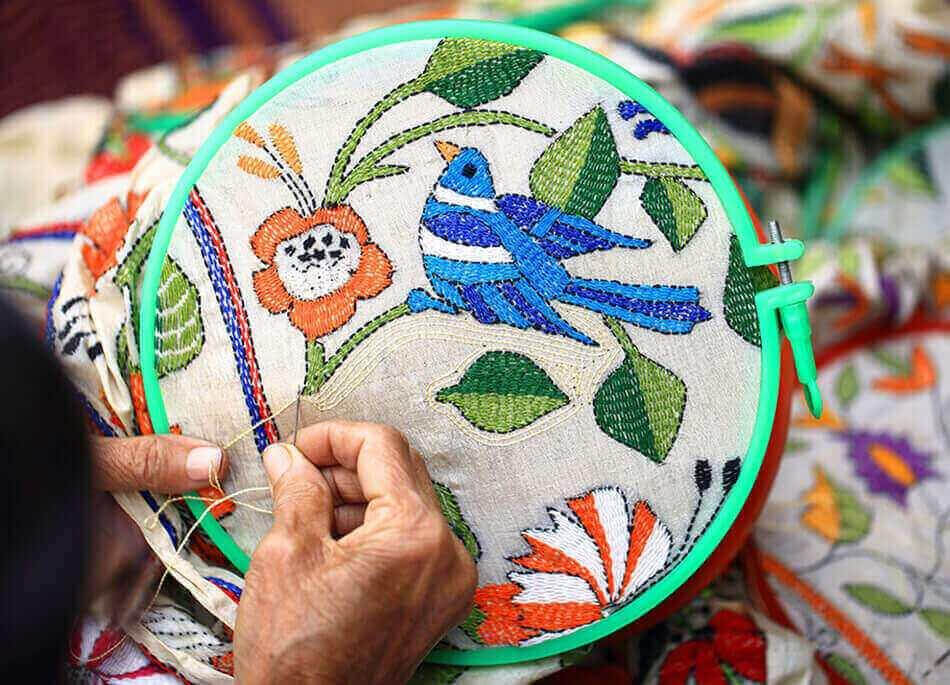
Hand embroidery is the oldest form of embroidery, requiring patience and skill. Artisans use various stitching techniques such as satin stitch, chain stitch, and backstitch to create detailed and expressive designs. This technique is still widely used in regions like India, China, and Europe for decorative and ceremonial textiles.
2. Cross-Stitch
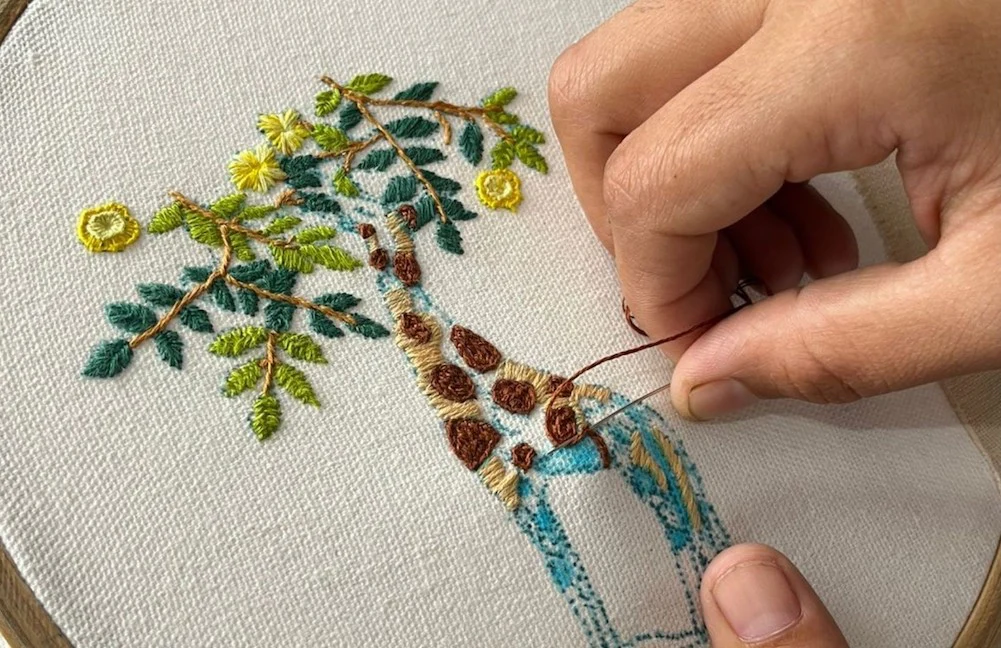
Cross-stitch is one of the most popular traditional embroidery techniques, characterized by X-shaped stitches forming a grid-like pattern. This technique is often used to create detailed portraits, landscapes, and decorative patterns. Cross-stitching remains a beloved craft for hobbyists and professional artists alike.
3. Crewel Embroidery
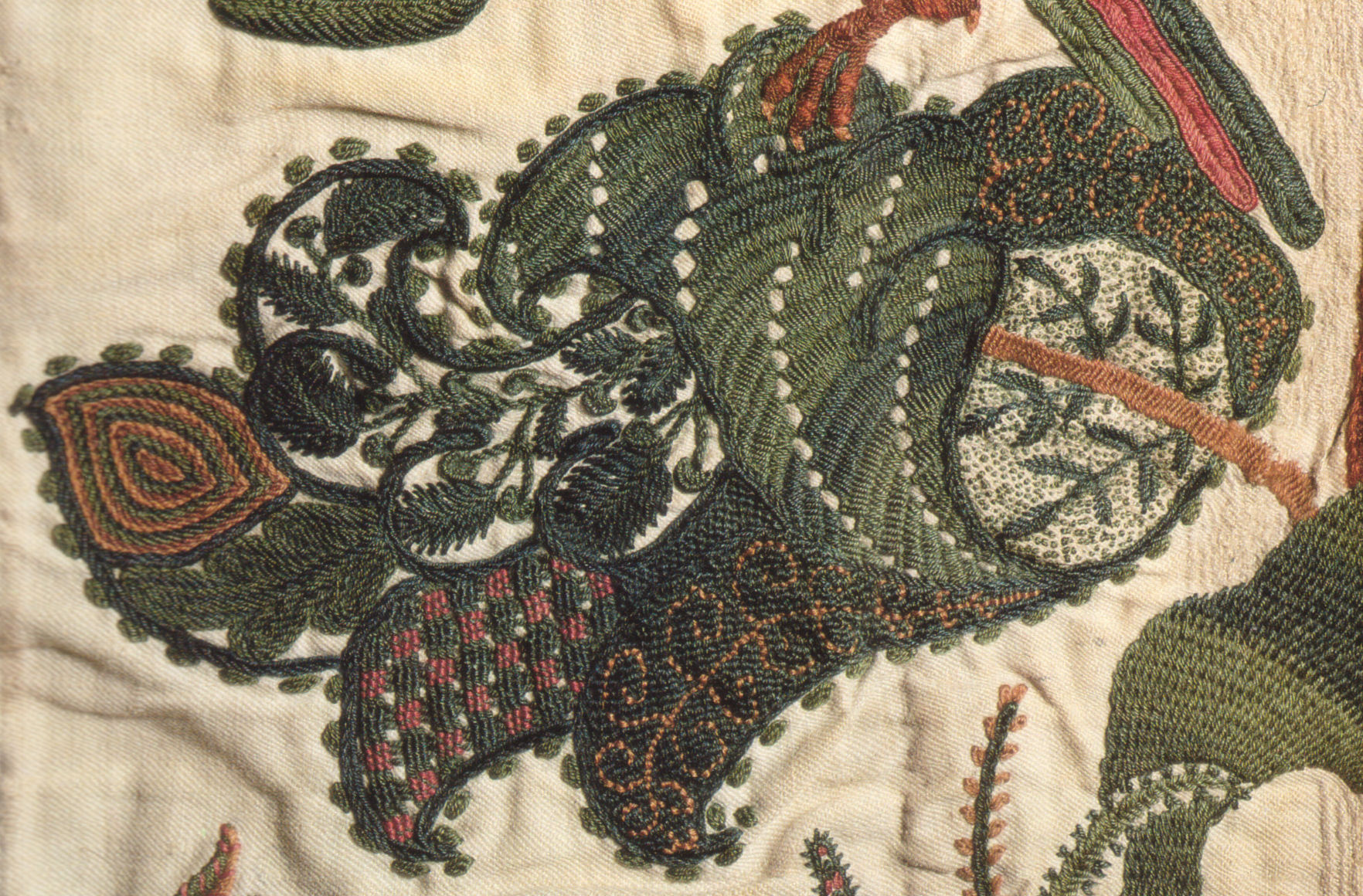
Crewel embroidery is a form of hand-stitching that uses wool threads on linen or cotton fabric. It is known for its flowing designs, often inspired by nature, including flowers, birds, and vines. This technique dates back over a thousand years and is still practiced in regions like Kashmir in India and the United Kingdom.
4. Goldwork Embroidery
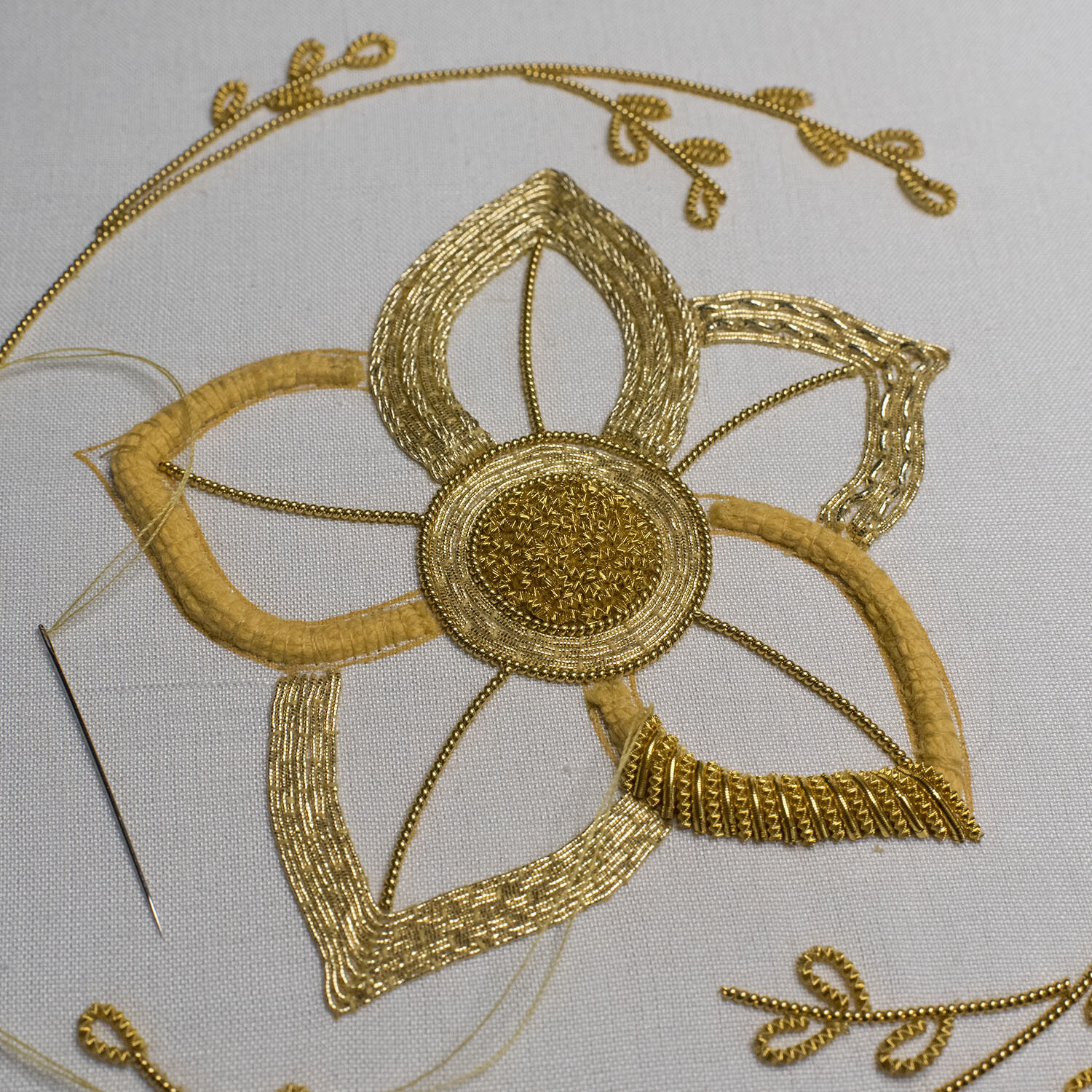
Goldwork is an opulent embroidery technique that involves using gold, silver, or metallic threads to create luxurious and intricate patterns. Historically, goldwork was reserved for royalty and religious garments due to its rich appearance and high cost.
5. Sashiko and Kantha Embroidery
Sashiko, originating from Japan, and Kantha from India, are traditional running stitch embroidery techniques used for quilting and reinforcing fabrics. They are known for their geometric patterns and minimalist aesthetics, often used to upcycle textiles and create decorative household items.
While traditional embroidery techniques require considerable time and skill, they are valued for their authenticity, uniqueness, and handmade quality. Many artisans and craft enthusiasts continue to preserve these traditional methods, ensuring that they are not lost to modern industrialization.
Modern Embroidery Techniques
With advancements in technology, modern embroidery techniques have revolutionized the industry, making the process faster, more precise, and scalable. Here are some of the most prominent modern embroidery techniques:
1. Machine Embroidery
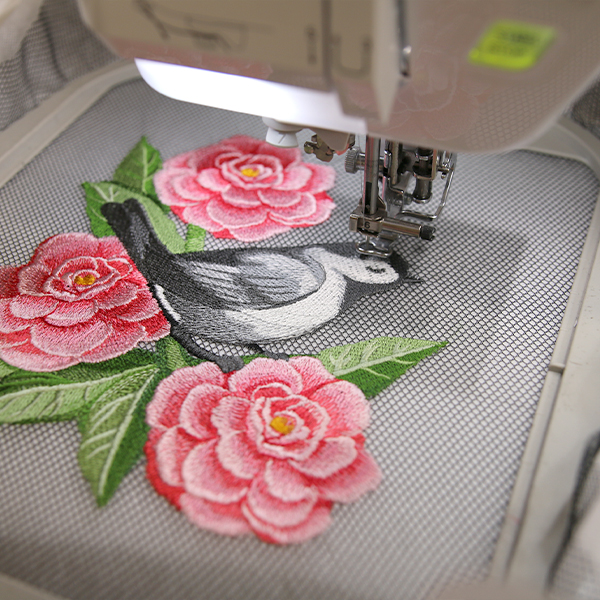
Machine embroidery has transformed the way textiles are decorated. Using computerized embroidery machines, intricate patterns can be stitched onto fabric in minutes. This technique is widely used in the fashion and branding industries for monograms, logos, and large-scale textile designs.
2. Digital Embroidery
Digital embroidery combines traditional embroidery with digital technology, allowing designers to create complex patterns using embroidery software. Once a design is created, it can be fed into an embroidery machine, ensuring consistency and high-quality results.
3. 3D Puff Embroidery
3D puff embroidery is a modern technique used primarily in apparel and branding. It involves placing foam under the stitched design, creating a raised, three-dimensional effect. This technique is particularly popular in cap embroidery and streetwear fashion.

4. Laser Cut Appliqué Embroidery
This method integrates embroidery with laser-cut fabric pieces to create intricate appliqué designs. It allows for precision and layering effects, often used in fashion and decorative arts.
5. Smart Textiles and E-Textile Embroidery
A cutting-edge development in embroidery is the integration of technology into fabrics. Smart textiles, also known as e-textiles, use conductive threads and sensors embroidered into garments to enable functionalities such as touch-sensitive surfaces, LED light designs, and even temperature-regulating fabrics. This fusion of embroidery and technology is opening new possibilities in fashion, healthcare, and wearable technology.
The Coexistence of Traditional and Modern Techniques
Despite the rise of modern embroidery techniques, traditional embroidery continues to thrive. Many artisans and designers are blending traditional craftsmanship with contemporary innovations to create unique textile art. Some designers use digital embroidery machines to replicate traditional hand-stitched patterns, while others combine hand embroidery with modern fabrics and materials for a fresh aesthetic.
Additionally, the growing trend of sustainable and slow fashion has reignited interest in hand embroidery, as consumers seek unique, ethically made, and handcrafted products. This has led to a resurgence of traditional embroidery in the luxury and bespoke fashion industries.

Final Thoughts
Embroidery, whether traditional or modern, remains a vital form of artistic expression and textile decoration. While traditional techniques emphasize craftsmanship, cultural heritage, and uniqueness, modern methods offer efficiency, precision, and limitless design possibilities. The fusion of these two worlds ensures that embroidery continues to evolve, maintaining its place in both historical artistry and contemporary fashion. Whether hand-stitched or machine-generated, embroidery remains a testament to human creativity and innovation.
